
U.S. HUD Funding Programs
Federal programs such as HOME, CDBG, and other HUD initiatives provide critical funding support for affordable housing, infrastructure, and community development efforts across the state of Texas.
Overview
HUD programs like HOME and CDBG provide essential grants for building, preserving, and rehabilitating affordable housing and for infrastructure and community improvements across Texas. HOME funds target income eligible rental and owner developments and tenant assistance, while CDBG supports housing rehab, streets, utilities, economic development, and disaster recovery.
Other HUD tools—rental vouchers, multifamily programs (FHA mortgage insurance, Section 202/811), and targeted grants like ESG and HOPWA—stabilize households and support special‑needs populations. These federal resources are critical but limited in scale and are typically layered with state, local, tax‑credit equity, and private financing to close development funding gaps.
How the program works in Texas
HUD programs are commonly layered with Housing Tax Credits and other funds to close financing gaps and make development feasible: HOME, CDBG, and local grants/soft loans provide low‑cost/subordinate capital for hard costs, soft costs, and services; Housing Tax Credit equity functions as permanent equity; tax‑exempt bonds and FHA/Fannie/Freddie loans supply senior debt; and vouchers or HUD insurance improve cash flow and lower lender risk. Together these sources are coordinated around affordability rules, timing, and underwriting to reduce private debt and investor return needs so rents can remain affordable.

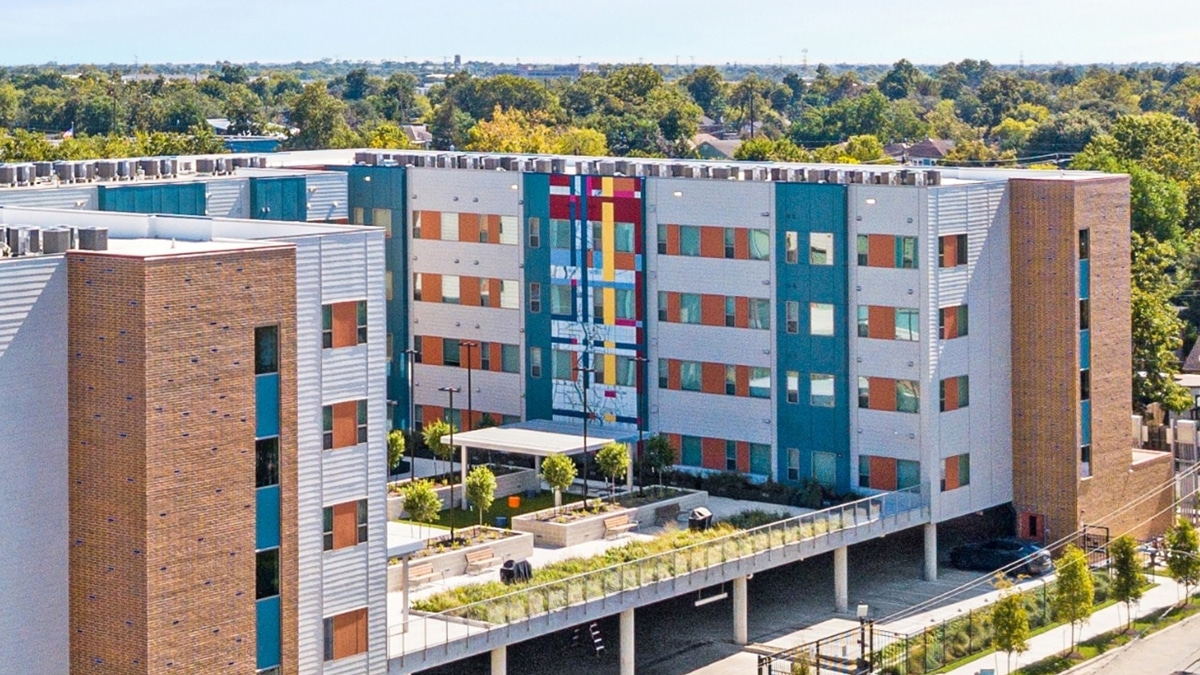
HUD program funds fill the gaps in funding
HUD program funds often provide critical gap financing that makes affordable housing development feasible when private loans, tax‑credit equity, and local dollars aren’t enough. By supplying low‑cost grants, soft loans, or subsidies for hard costs, soft costs, infrastructure, and services, HOME, CDBG, ESG, and related programs reduce the amount of commercial debt and investor return required. This lower‑cost capital improves underwriting, attracts additional private investment, preserves long‑term affordability, and funds tenant supports—closing the final funding gaps that otherwise would block housing from being built or preserved.